Self-mastery outcome
Build a lifelong learning practice
Create a repeatable cycle of focused practice, feedback, retrieval, reflection, and rest around a skill or question you genuinely value.
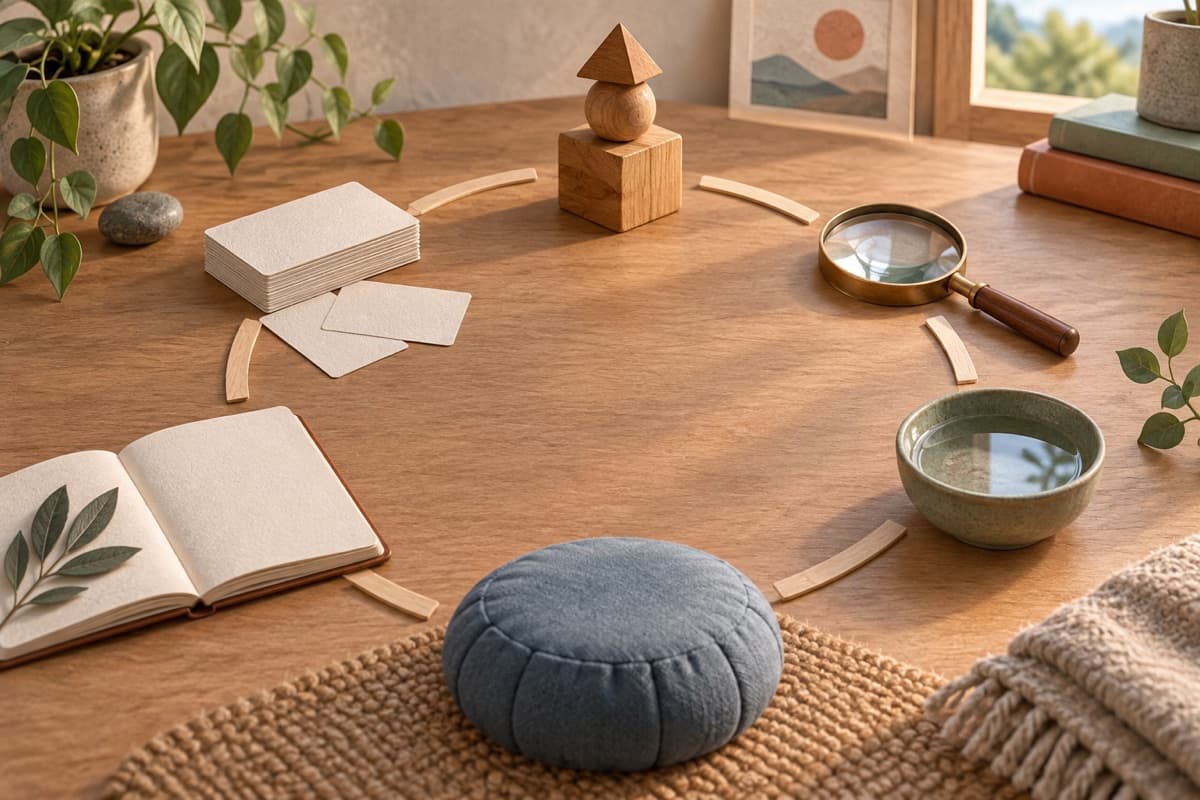
Success framing
What useful progress looks like
You define a learnable target, practice at the right difficulty, receive feedback, and can show what changed in your understanding or performance.
Who this is for
Adults returning to learning or sustaining curiosity who need a practical system rather than pressure to collect courses and credentials.
Curated sequence
Learn in order, then act
Embeds load lazily through youtube-nocookie.com; every item keeps attribution, original context, and a source fallback.
How to practice effectively...for just about anything - Annie Bosler and Don Greene
TED-Ed
A practical audiovisual orientation for this Outcome from a comparatively credible, low-hype source. Apply it through the bounded exercise below rather than treating every statement as universal.
- Key takeaway
- Define the real problem and constraints before adding tools or effort.
- Action
- Watch the selected video with notes on the method, assumptions, and limits.
TED-Ed via YouTube
Action plan
Take the smallest useful next step
- Watch the selected video with notes on the method, assumptions, and limits.
- Complete the practice action: Schedule two 25-minute sessions: retrieve from memory, practice one weak subskill, compare with a model or feedback source, and write the next adjustment.
- Verify one consequential claim or safety rule with a current authoritative source.
- Record the result, one remaining question, and the next review date.
Important boundary
Learning pace is not intelligence or worth. Adapt for disability, language, finances, caregiving, and access; respect copyright, privacy, academic integrity, and tool rules when using courses, communities, or AI.
Continue