Self-mastery outcome
Build a weeknight cooking rhythm
Create a flexible weekly cooking pattern using a short menu, overlapping ingredients, planned leftovers, and honest low-energy fallbacks.
Success framing
What useful progress looks like
You can name the next few dinners, shop once for shared ingredients, and switch to a safe fallback without treating the week as failed.
Who this is for
People who want more home-cooked dinners but face variable schedules, decision fatigue, waste, or last-minute takeout.
Curated sequence
Learn in order, then act
Embeds load lazily through youtube-nocookie.com; every item keeps attribution, original context, and a source fallback.
A Better Way To Meal Plan | The Veggie | NYT Cooking
NYT Cooking
A practical audiovisual orientation for this Outcome from a comparatively credible, low-hype source. Apply it through the bounded exercise below rather than treating every statement as universal.
- Key takeaway
- Define the real problem and constraints before adding tools or effort.
- Action
- Watch the selected video with notes on the method, assumptions, and limits.
NYT Cooking via YouTube
Action plan
Take the smallest useful next step
- Watch the selected video with notes on the method, assumptions, and limits.
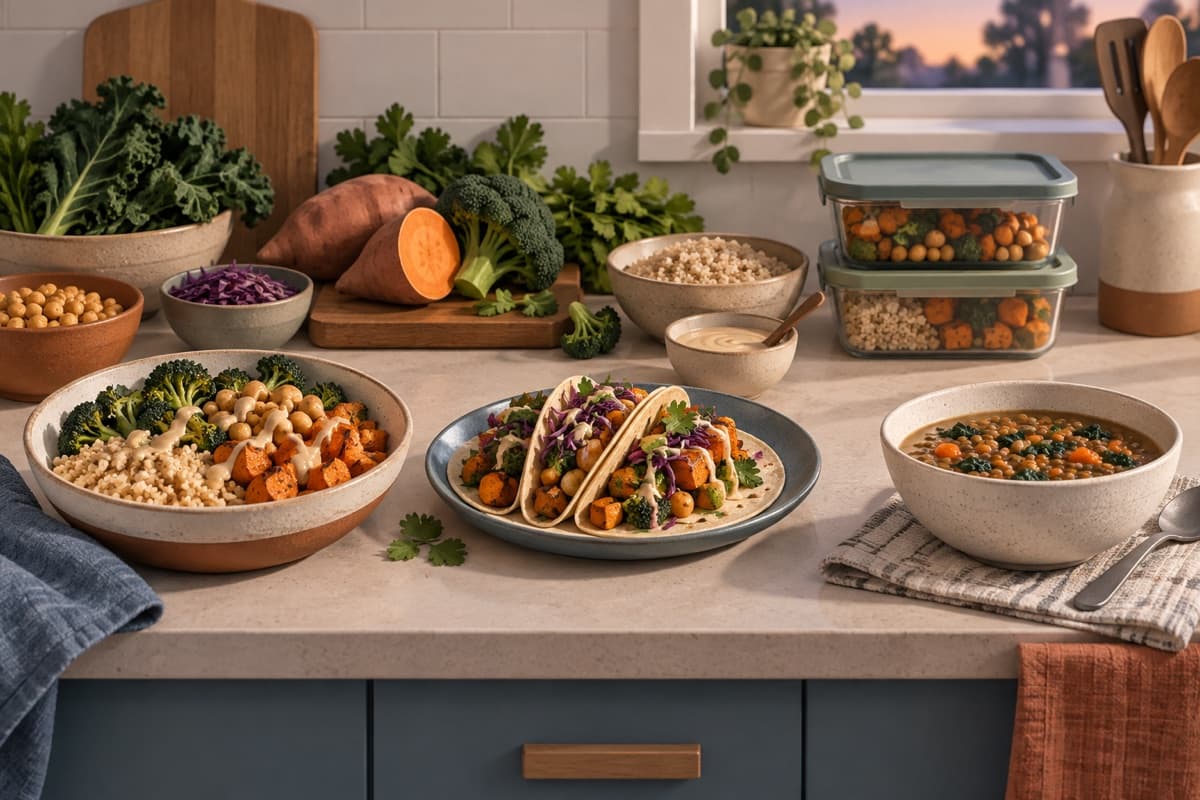
- Complete the practice action: Plan three dinners with one shared component, prep that component, label leftovers, and write a fallback meal beside the busiest night.
- Verify one consequential claim or safety rule with a current authoritative source.
- Record the result, one remaining question, and the next review date.
Important boundary
Use current storage, cooling, reheating, allergy, and cross-contamination guidance. Plans should fit budget, culture, household consent, disability, and equipment—not prescribe one diet or promise health outcomes.
Continue