Self-mastery outcome
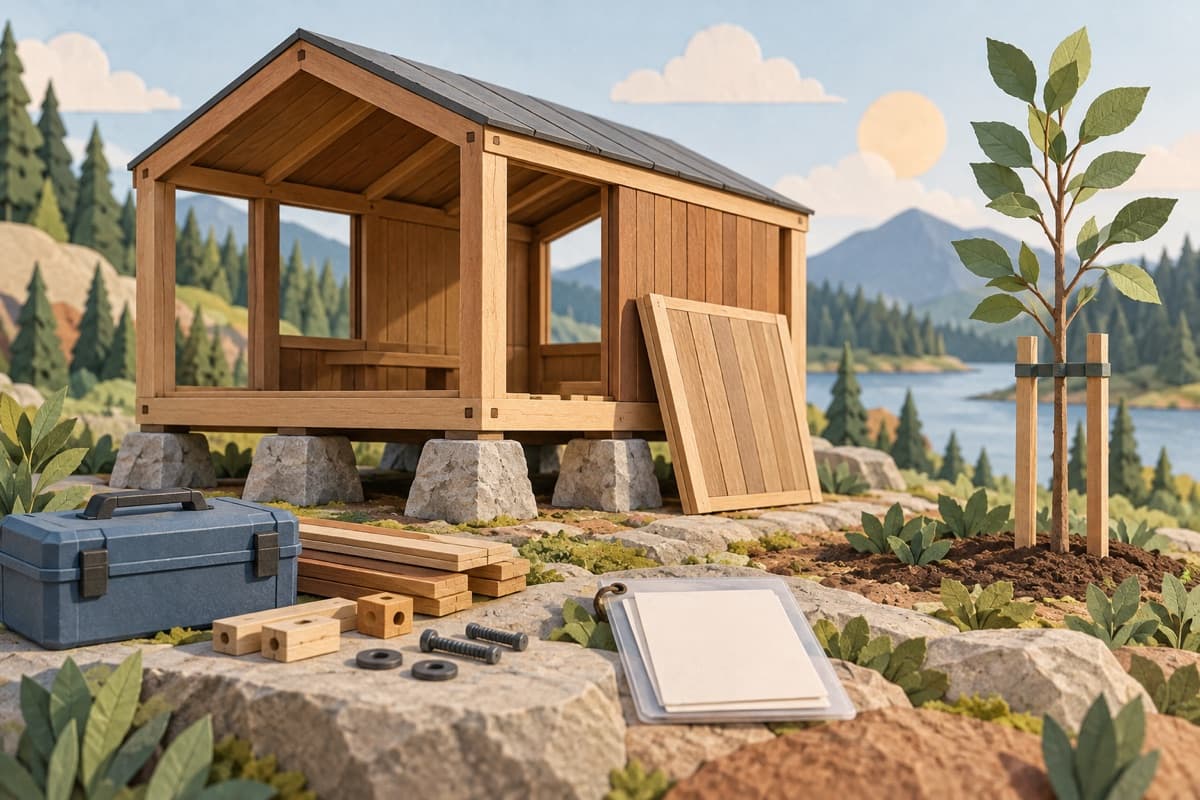
Build something that outlasts you
Design a contribution for continuity by pairing useful work with stewardship, maintenance, shared ownership, documentation, and succession.
Success framing
What useful progress looks like
The work has real beneficiaries, documented operations, maintainers with authority, sustainable costs, and a humane plan to adapt, transfer, archive, or end.
Who this is for
People building a community practice, archive, institution, body of work, or public resource who want durability beyond one founder's attention.
Curated sequence
Learn in order, then act
Embeds load lazily through youtube-nocookie.com; every item keeps attribution, original context, and a source fallback.
Lessons on leaving the world better than you found it | Sophie Howe
TED
A practical audiovisual orientation for this Outcome from a comparatively credible, low-hype source. Apply it through the bounded exercise below rather than treating every statement as universal.
- Key takeaway
- Define the real problem and constraints before adding tools or effort.
- Action
- Watch the selected video with notes on the method, assumptions, and limits.
TED via YouTube
Action plan
Take the smallest useful next step
- Watch the selected video with notes on the method, assumptions, and limits.
- Complete the practice action: Create a one-page continuity brief covering purpose, beneficiaries, owners, maintenance, funding or costs, records, risks, succession, and an ethical shutdown condition.
- Verify one consequential claim or safety rule with a current authoritative source.
- Record the result, one remaining question, and the next review date.
Important boundary
Longevity is not guaranteed and founder control is not stewardship. Obtain community consent, share credit and authority, protect privacy and rights, avoid extractive funding or labor, and permit repair, adaptation, or closure when the work no longer serves.
Continue