Lifestyle and leisure outcome
Build your closet
Build a smaller, usable wardrobe around actual activities, repeatable combinations, care needs, and budget—not a universal capsule formula.
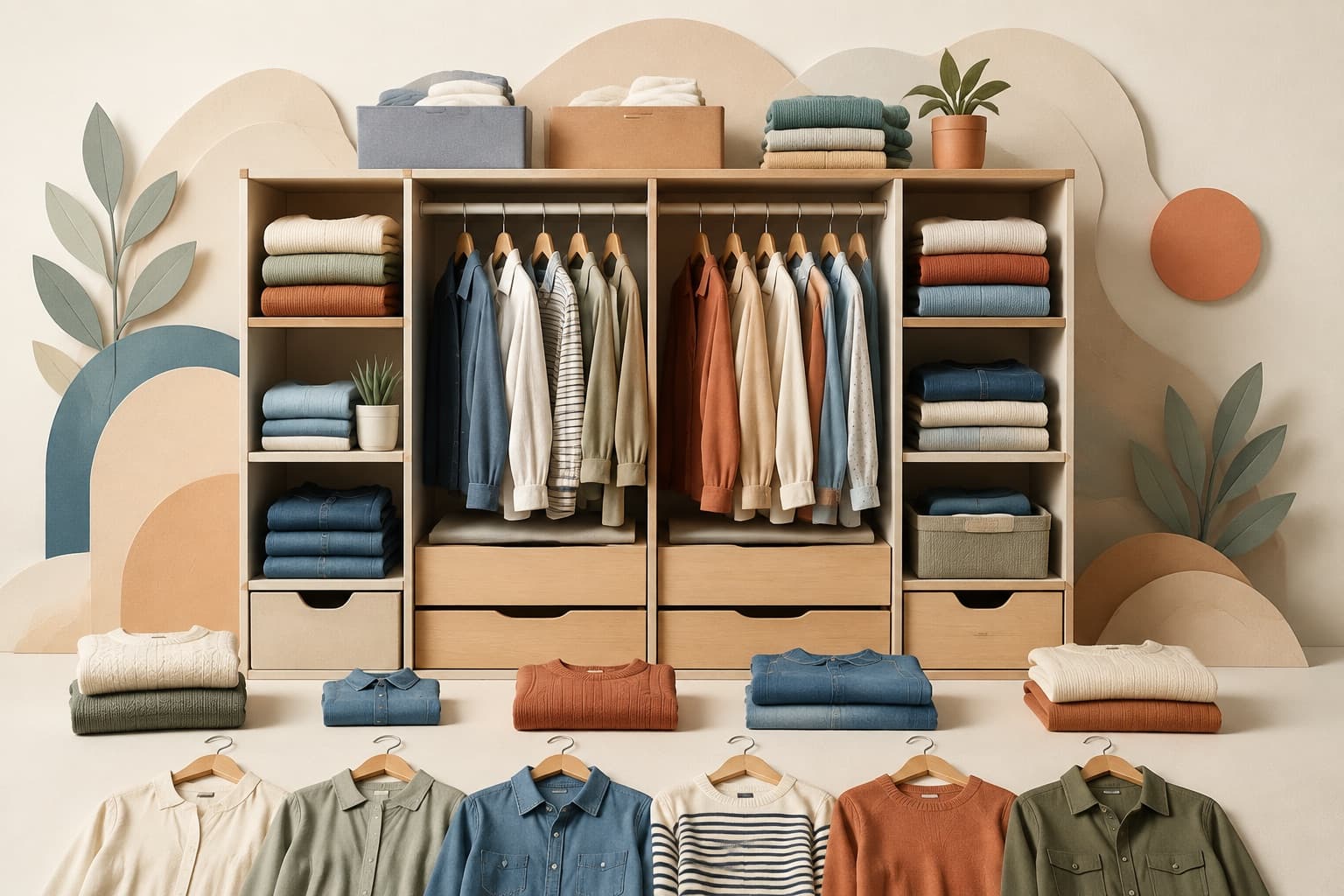
Success framing
What useful progress looks like
Most pieces serve a known role, combine with several others, feel workable on your body, and can be cared for within your time and budget.
Who this is for
People whose closets feel mismatched, crowded, incomplete, or expensive to maintain.
Curated sequence
Learn in order, then act
Embeds load lazily through youtube-nocookie.com; every item keeps attribution, original context, and a source fallback.
A New Simple Way to Build a Capsule Wardrobe
Alyssa Beltempo
Method: build around real use and combinations rather than a prescriptive item count.
- Key takeaway
- Method: build around real use and combinations rather than a prescriptive item count
- Action
- Track what you wear for two weeks
Alyssa Beltempo via YouTube
Textiles: Material-Specific Data
U.S. Environmental Protection Agency
External resourceThe page remains useful without loading third-party media.
Context: reduce unnecessary purchases and extend useful garment life.
- Key takeaway
- Context: reduce unnecessary purchases and extend useful garment life
- Action
- group needs by activity and climate
U.S. Environmental Protection Agency
Action plan
Take the smallest useful next step
- Track what you wear for two weeks
- group needs by activity and climate
- make ten outfits from current pieces
- identify fit, care, or access barriers
- repair, alter, borrow, swap, or buy secondhand where useful
- add only one verified gap at a time.
Important boundary
A good closet can be large or small and need not be minimalist, fashionable, gendered, expensive, or static. Respect body change, uniforms, culture, disability, sensory access, laundering capacity, climate, and financial limits; individual waste reductions should not be overstated.
Continue