Self-mastery outcome
Declutter and organize
Make a usable space by reducing excess first, then assigning visible homes that match how items are actually used.
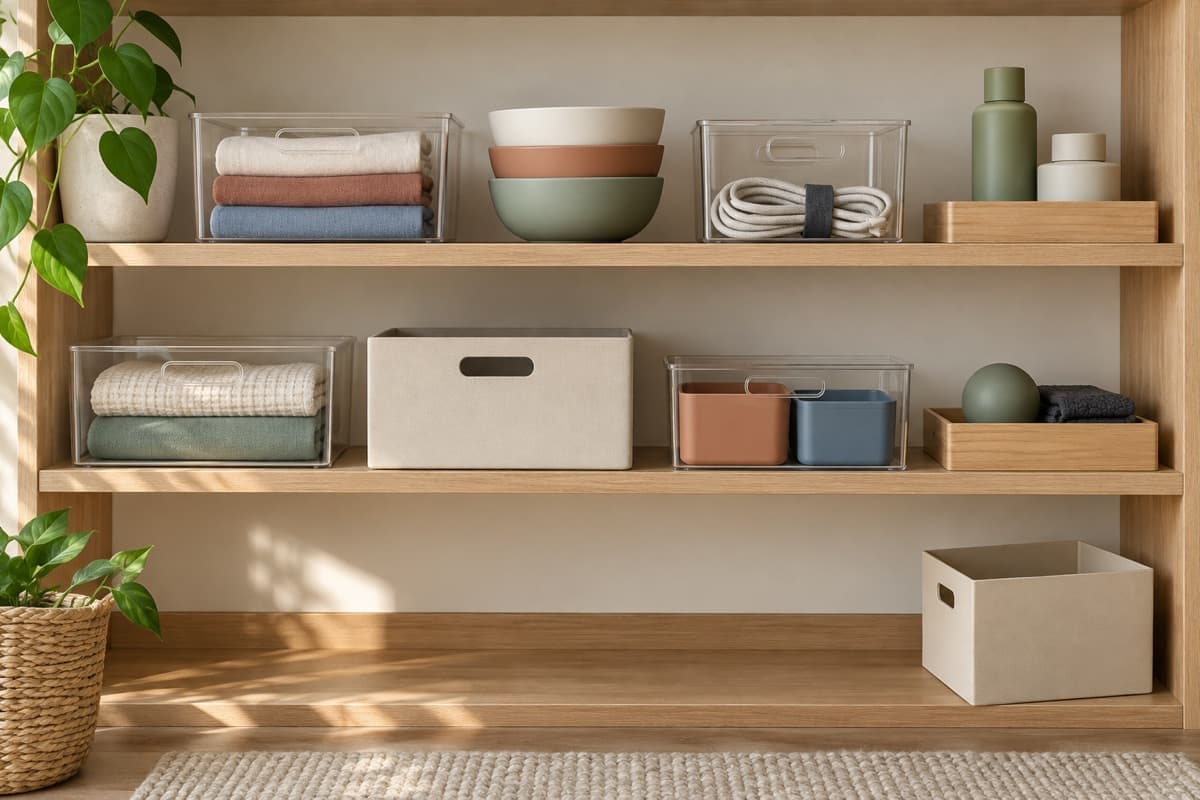
Success framing
What useful progress looks like
One bounded area holds what fits, frequently used items are easy to return, and donations, recycling, and disposal have completed exits.
Who this is for
People who repeatedly buy organizers or reshuffle belongings without making the space easier to maintain.
Curated sequence
Learn in order, then act
Embeds load lazily through youtube-nocookie.com; every item keeps attribution, original context, and a source fallback.
How to Organize Your Home like a Professional Organizer
Clutterbug
A practical audiovisual orientation for this Outcome from a comparatively credible, low-hype source. Apply it through the bounded exercise below rather than treating every statement as universal.
- Key takeaway
- Define the real problem and constraints before adding tools or effort.
- Action
- Watch the selected video with notes on the method, assumptions, and limits.
Clutterbug via YouTube
Action plan
Take the smallest useful next step
- Watch the selected video with notes on the method, assumptions, and limits.
- Complete the practice action: Empty only the bounded area, remove obvious trash and duplicates, decide what earns the available space, assign simple homes, and complete one exit trip.
- Verify one consequential claim or safety rule with a current authoritative source.
- Record the result, one remaining question, and the next review date.
Important boundary
Do not discard another person's belongings, tenancy records, accessibility equipment, medications, legal papers, or sentimental items without consent. Avoid shame; compulsive acquisition or severe distress may need specialized support.
Continue