Lifestyle and leisure outcome
Find your color palette
Discover colors you enjoy and can combine through observation and low-stakes testing, treating seasonal systems as optional vocabulary rather than biological truth.
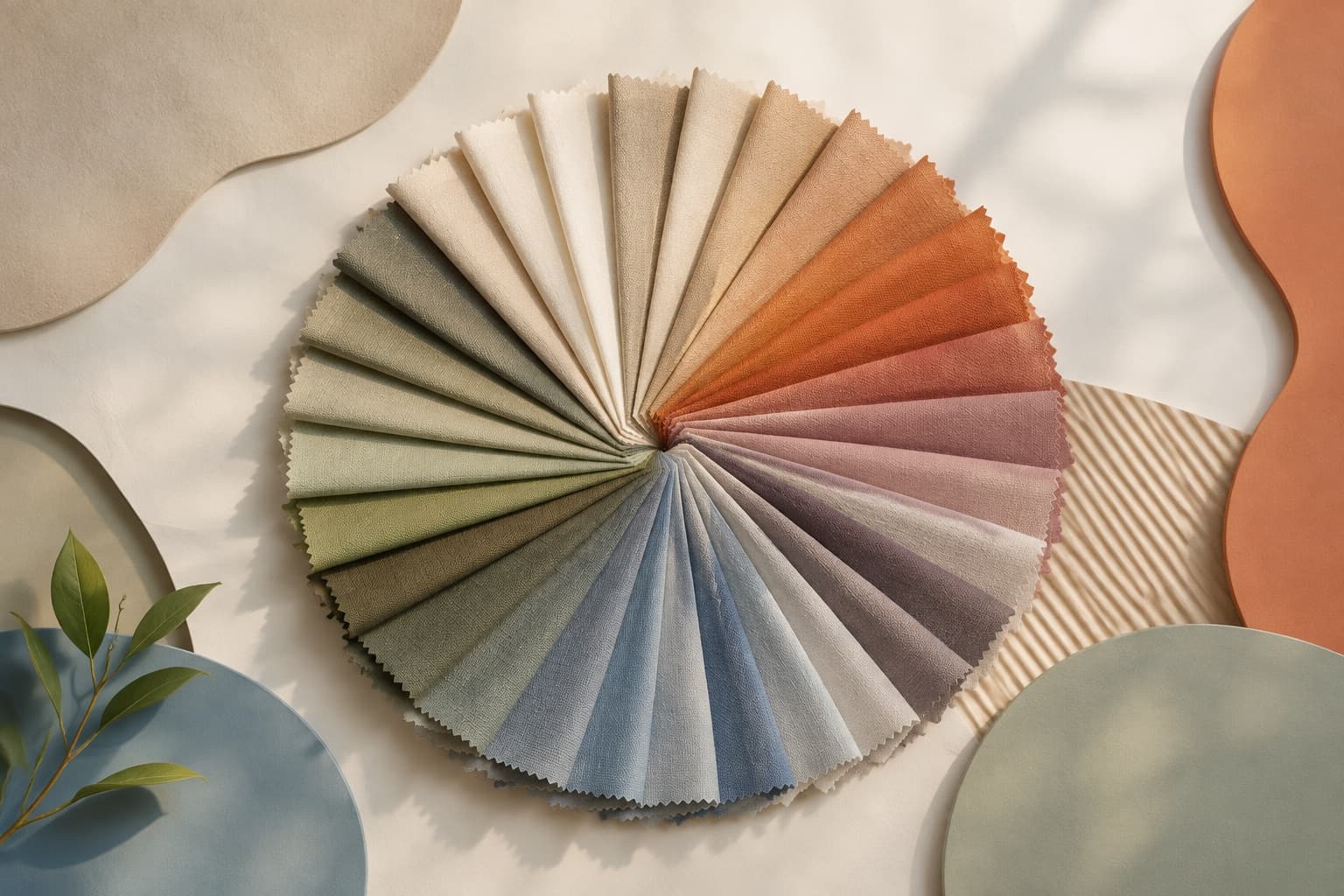
Success framing
What useful progress looks like
You have a flexible group of neutrals, core colors, and accents that works in your lighting, wardrobe, culture, and preferences—and permission to ignore it.
Who this is for
People who want easier color choices or a more coherent wardrobe without rules about what they are allowed to wear.
Curated sequence
Learn in order, then act
Embeds load lazily through youtube-nocookie.com; every item keeps attribution, original context, and a source fallback.
What's your season? \| Seasonal color analysis \| Justine Leconte
Justine Leconte officiel
Orientation to value/chroma/temperature and palette experimentation.
- Key takeaway
- Orientation to value/chroma/temperature and palette experimentation
- Action
- Gather ten colors from clothes or objects you like
Justine Leconte officiel via YouTube
Determining Personal Colors
New Mexico State University Extension
External resourceThe page remains useful without loading third-party media.
Application worksheet for testing colors.
- Key takeaway
- Application worksheet for testing colors
- Action
- compare them near the face and away from it in indirect daylight
New Mexico State University Extension
Action plan
Take the smallest useful next step
- Gather ten colors from clothes or objects you like
- compare them near the face and away from it in indirect daylight
- note only observable effects and comfort
- choose two neutrals, three core colors, and two accents
- test combinations for a week
- revise freely.
Important boundary
Color analysis is subjective and affected by lighting, fabric, contrast, hair, cosmetics, cameras, and preference. It must not rank skin tones, assign race or gender, erase neutral or olive undertones, prescribe attractiveness, or equate flattering colors with worth.
Continue